Poland
Where the Classroom Ends, the World Begins
A record of the places, people, and experiences that have shaped me as a scholar, a researcher, and a human being, one border at a time.
Erasmus+ Exchange – University of Wrocław, Poland
October 2024 – February 2025
I have been fortunate, and I do not use that word lightly, to experience three very different academic worlds. I grew up and studied in India, continued my education in Istanbul, Türkiye, and eventually earned a place at the University of Wrocław in Poland for my Erasmus+ semester. Each of these places taught me not only different subjects but also different ways of thinking about learning itself.
In India, education often felt structured around memorization and examinations. You absorbed what was given and reproduced it. In Türkiye, things began to open up. There was more dialogue, more debate, and more space to question ideas.
In Wrocław, I experienced another style of academic life. Classrooms often felt like roundtables rather than lecture halls. Professors did not simply deliver lectures. They listened, asked questions, and encouraged discussion. Ideas were challenged and perspectives were welcomed, which made every session feel more engaging.
I finished the semester with a GPA of 3.55, a result I am proud of. What I gained beyond the grade felt far more meaningful. For a student who had travelled far from home, engaging with a different learning culture was both humbling and intellectually stimulating.
Before Poland, there was Istanbul, and Istanbul deserves a story entirely of its own, which I will write separately. Still, it would be impossible to tell this story honestly without acknowledging what Türkiye gave me.
It was in Istanbul that I first understood what it means to live at a crossroads. The city sits between East and West, between tradition and modernity, between the familiar and the unfamiliar. Living there taught me how complex and layered cultures can be. More importantly, it taught me how to arrive somewhere new and slowly make it feel like home.
By the time I arrived in Wrocław, I had already learned, imperfectly but meaningfully, how to be a stranger somewhere and still belong. Türkiye taught me that.
And Wrocław turned out to be remarkable.
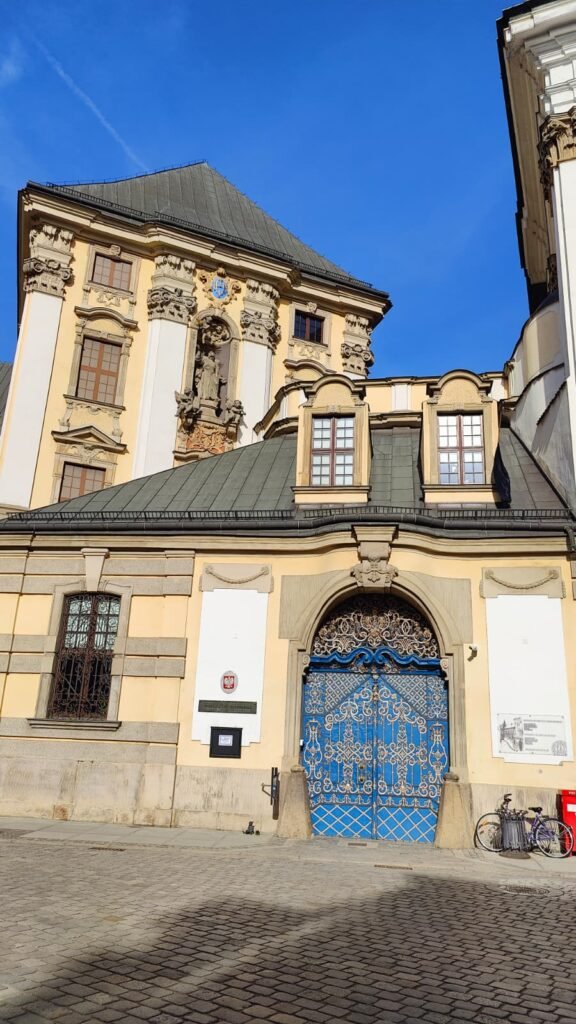
The University of Wrocław is an impressive institution. Its historic Baroque buildings and interiors reflect more than three centuries of academic history. Walking through the campus each morning was a reminder of the long scholarly tradition associated with the university.
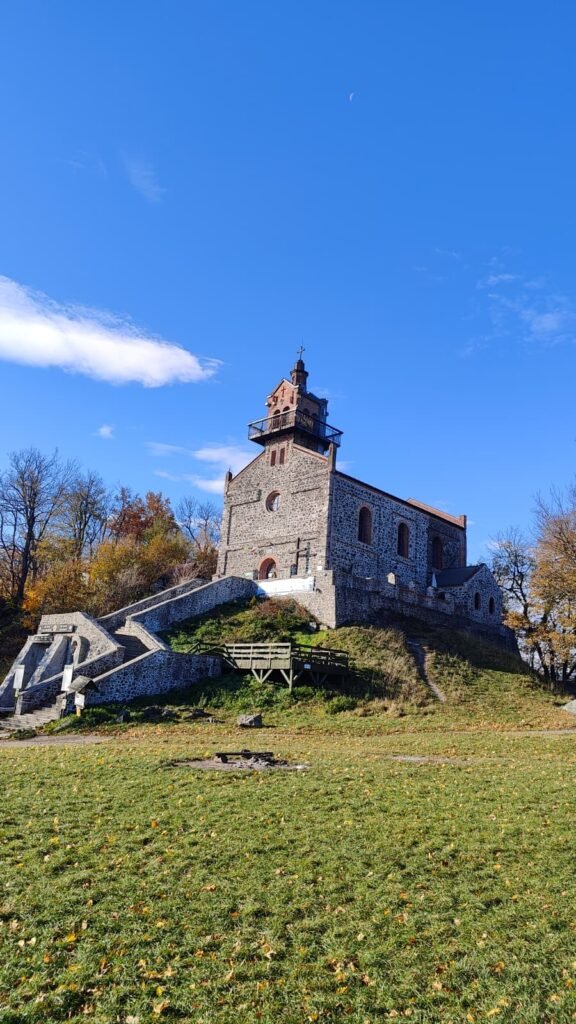
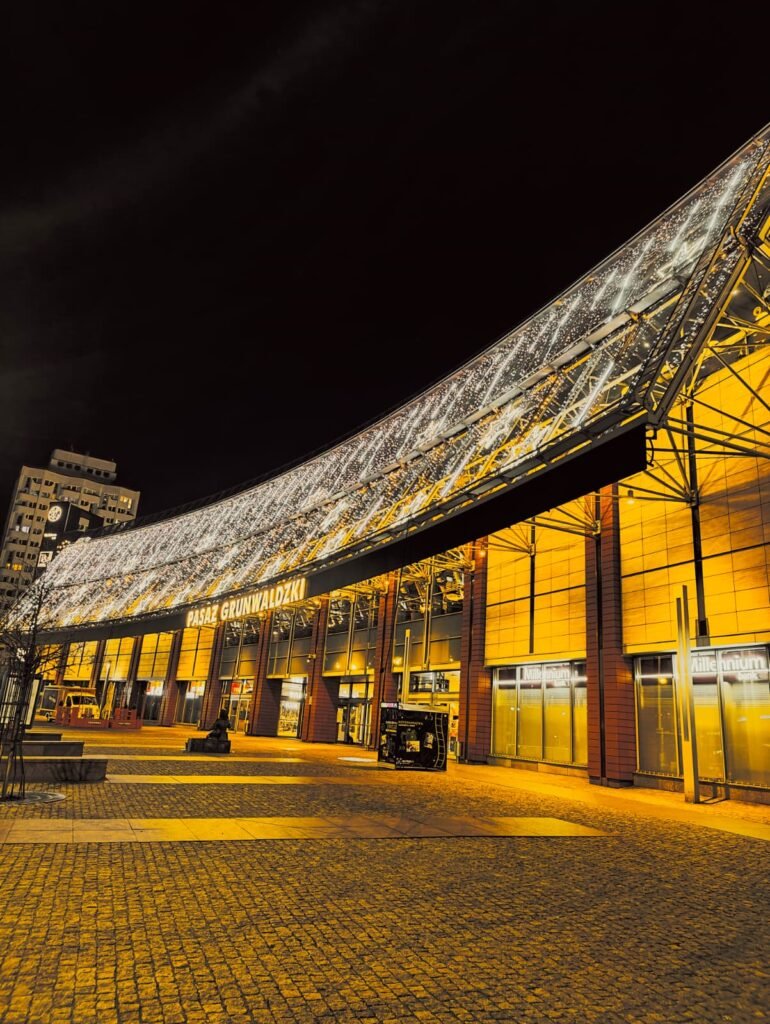
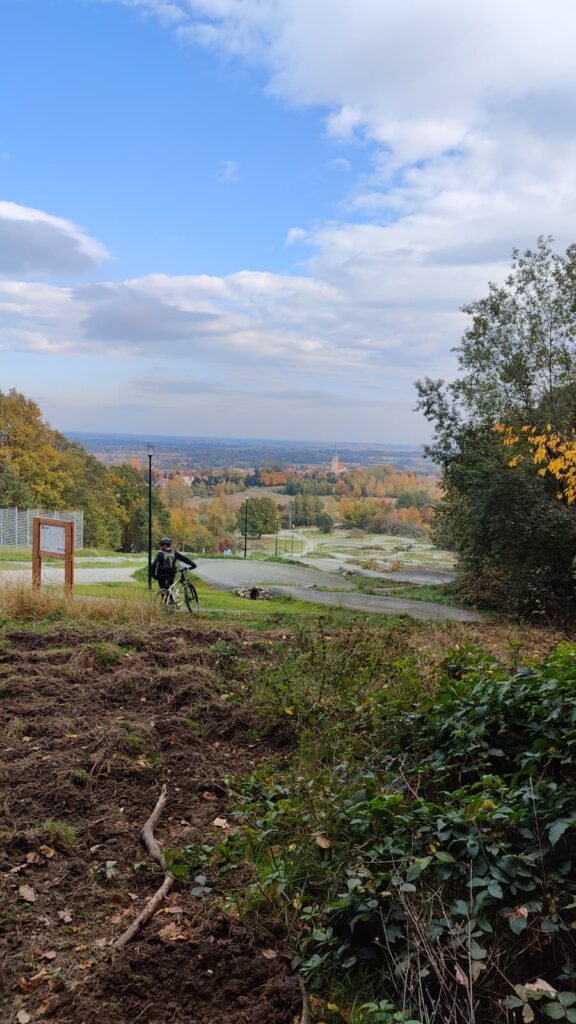
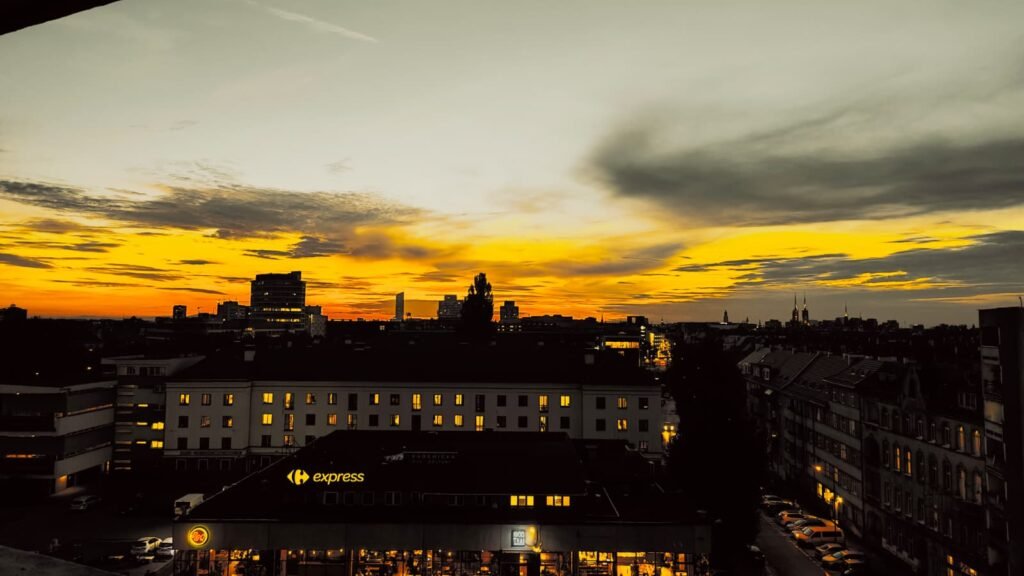
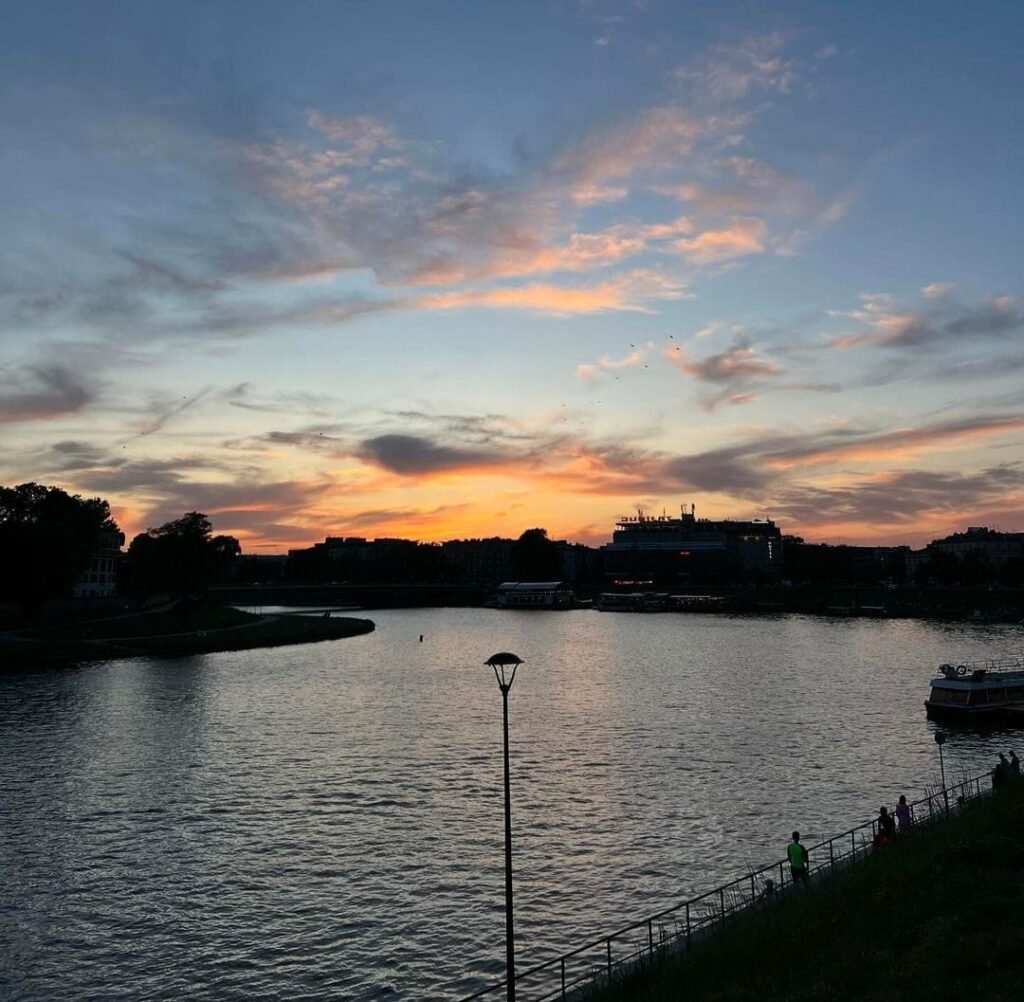
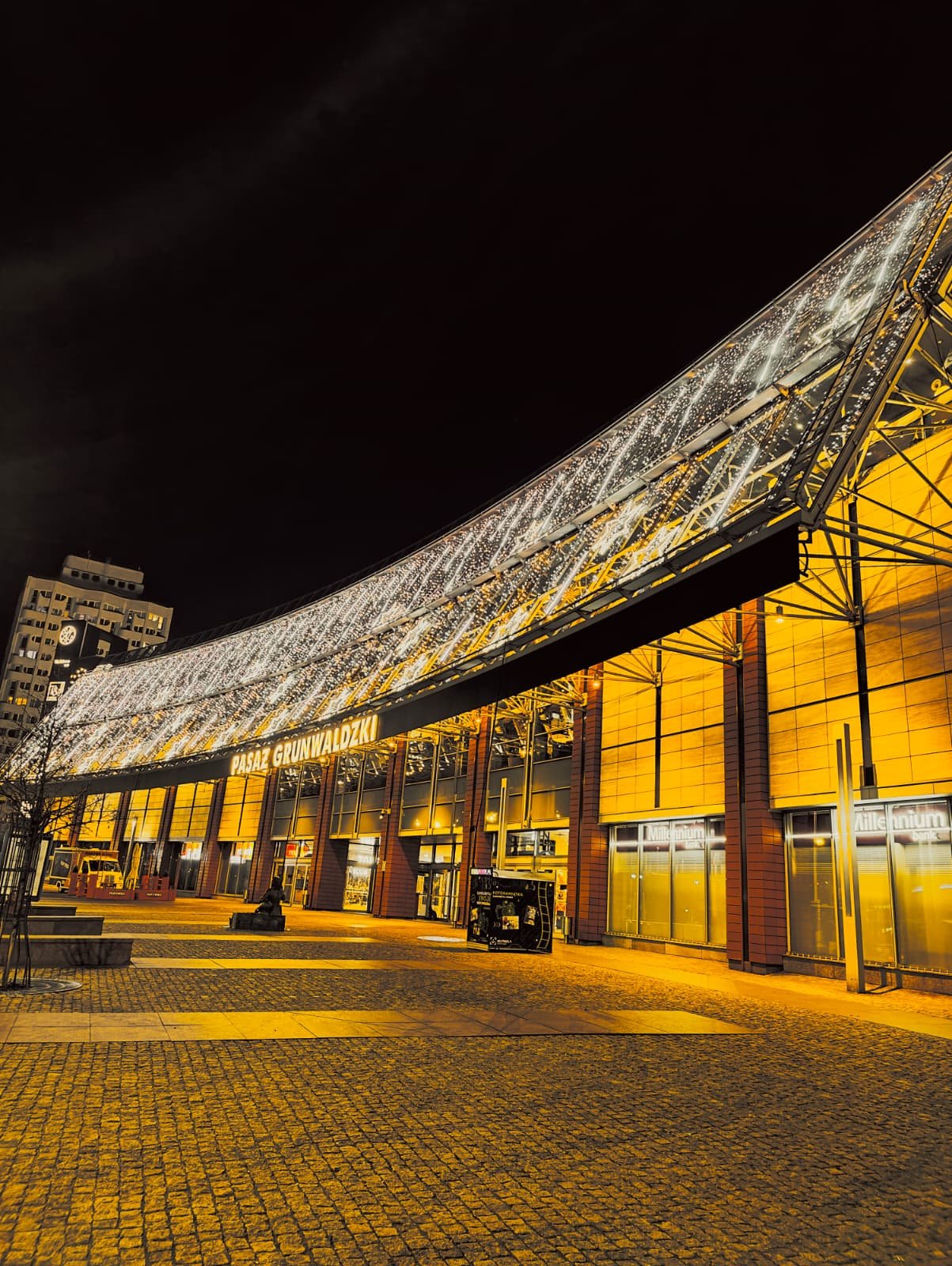
The city itself is equally memorable. Wrocław’s colourful market square, its bridges stretching across the Odra River, and its calm yet quietly proud atmosphere made it easy to feel connected to the place. What began as a foreign city slowly started to feel familiar.
What truly made the semester unforgettable, though, were the professors.
Dr. Eirini Aivaliotou’s course on Diasporic Groups in the EU and Identity Formation resonated with me more deeply than I expected. As an Indian student who had lived and studied across several countries, questions of identity, belonging, and diaspora were not abstract ideas. They were personal experiences.
Her support extended beyond the classroom. Her belief in my academic potential led her to write a letter of recommendation supporting my scholarship applications, something I remain deeply grateful for.
Dr. Veronica Russu’s course on Governing Europe helped me better understand how European political institutions actually function in practice. Studying these structures while being in Europe itself added a perspective that is difficult to grasp from outside the region.
Prof. Elżbieta Stadtmüller’s class on Global Political Networks encouraged me to think more deeply about how power, influence, and connections operate across borders. It pushed me to look beyond traditional state-centric perspectives and consider the wider networks shaping global politics.
Prof. Małgorzata Michalewska’s course on Regional and Local Development in the EU connected those broader discussions to concrete policy challenges and regional realities within the European Union.
Each of these professors brought not only expertise but also genuine warmth and encouragement. They made me feel welcome in a country I had never visited before, something I will always appreciate.
Outside the classroom, those six months became one of the most memorable periods of my life.
As an Indian student, entering the Schengen Area for the first time also meant experiencing a different part of the world more closely. I tried to use that opportunity to learn, travel, and observe as much as I could.
During the semester, I had the chance to visit more than ten European countries. Each one felt like a classroom of its own.
In Germany, I sensed the quiet weight of a nation still reflecting on its immense history. In the Netherlands, I walked through cities where canals, bicycles, and dense urban life create a rhythm that feels both modern and deeply rooted in the country’s past. In Greece, ancient ruins stood beside the realities of modern Europe.
Standing beneath the Alps in Switzerland and Austria was humbling in a different way. It was a reminder of how small we are compared to the landscapes that surround us.
I followed the Danube through Hungary, got wonderfully lost in the old towns of Czechia and Slovakia, and experienced Italy in the way Italy often presents itself to visitors. It overwhelms you with beauty, warmth, and history.
Each place added a new layer to the political and cultural questions I was exploring in my studies. It felt like learning that extended beyond classrooms and textbooks.
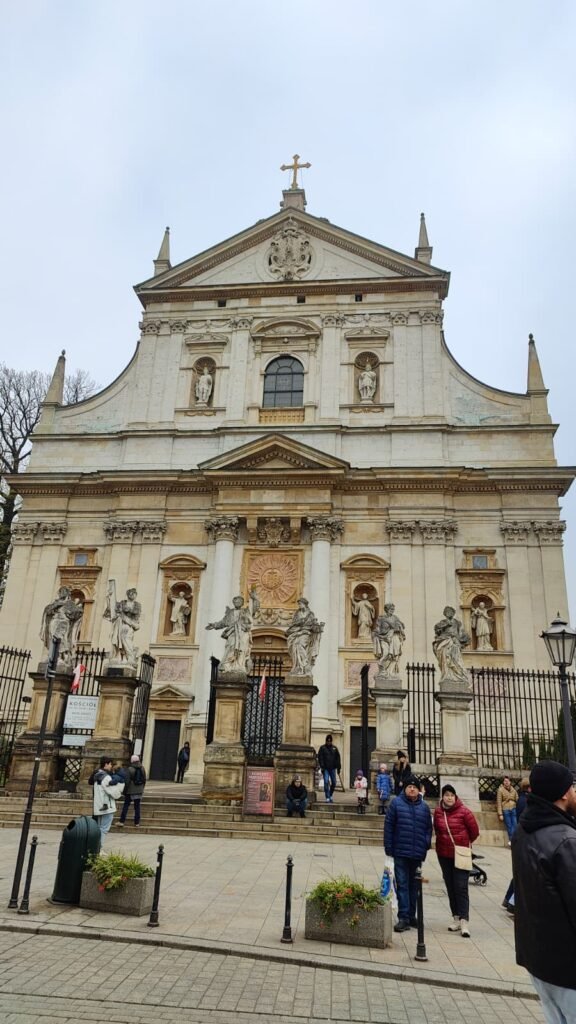
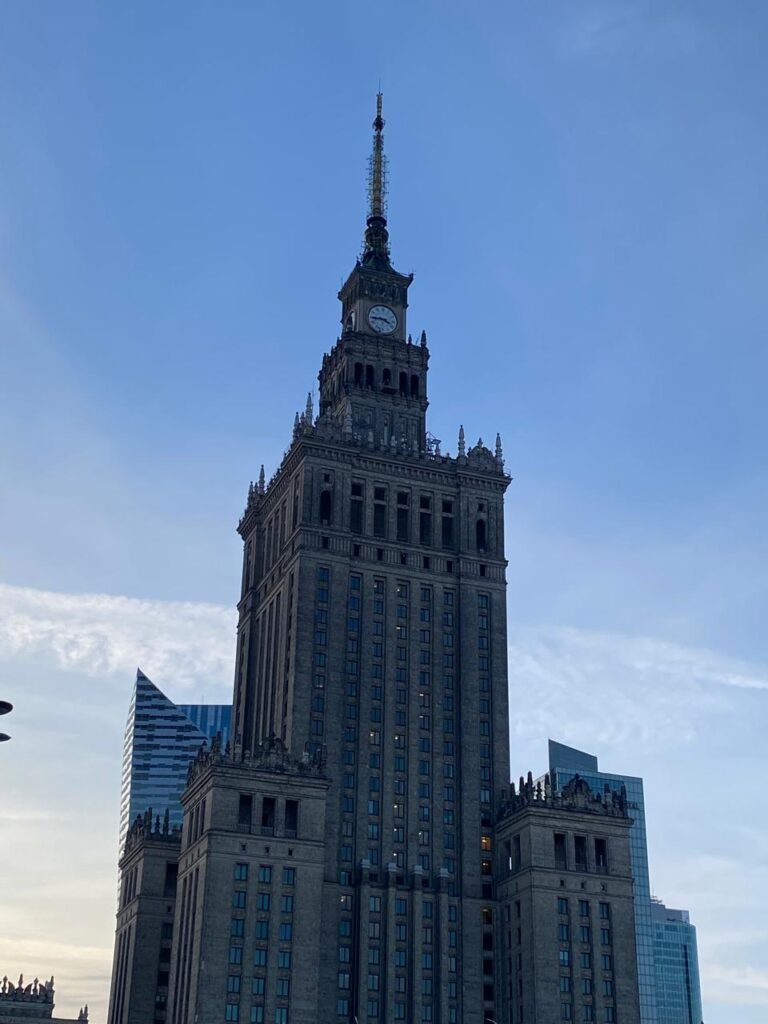
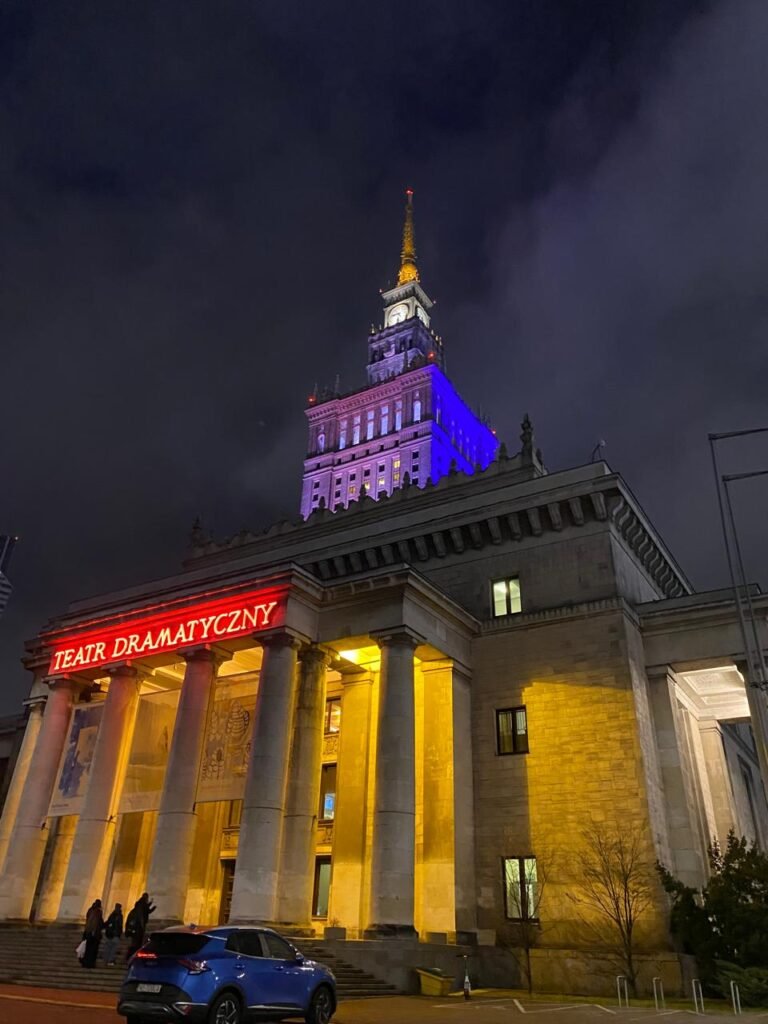
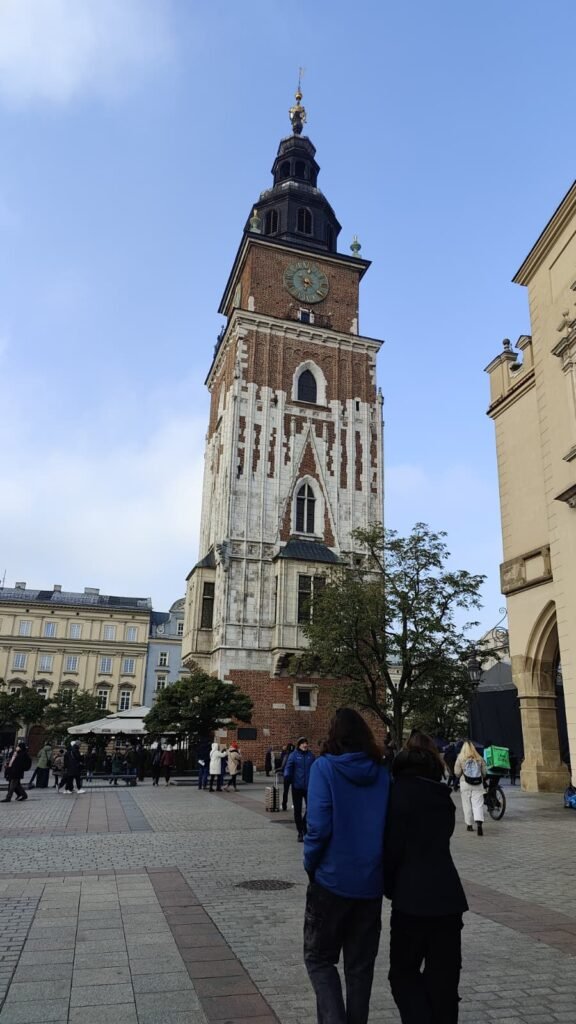
The photographs and reflections included here capture some of those moments and experiences along the way.
Looking back, this semester became one of the most formative periods of my life. It shaped me academically, culturally, and personally.
Wrocław is a place I will carry with me for a long time.